
Monitor and Control operations in real time
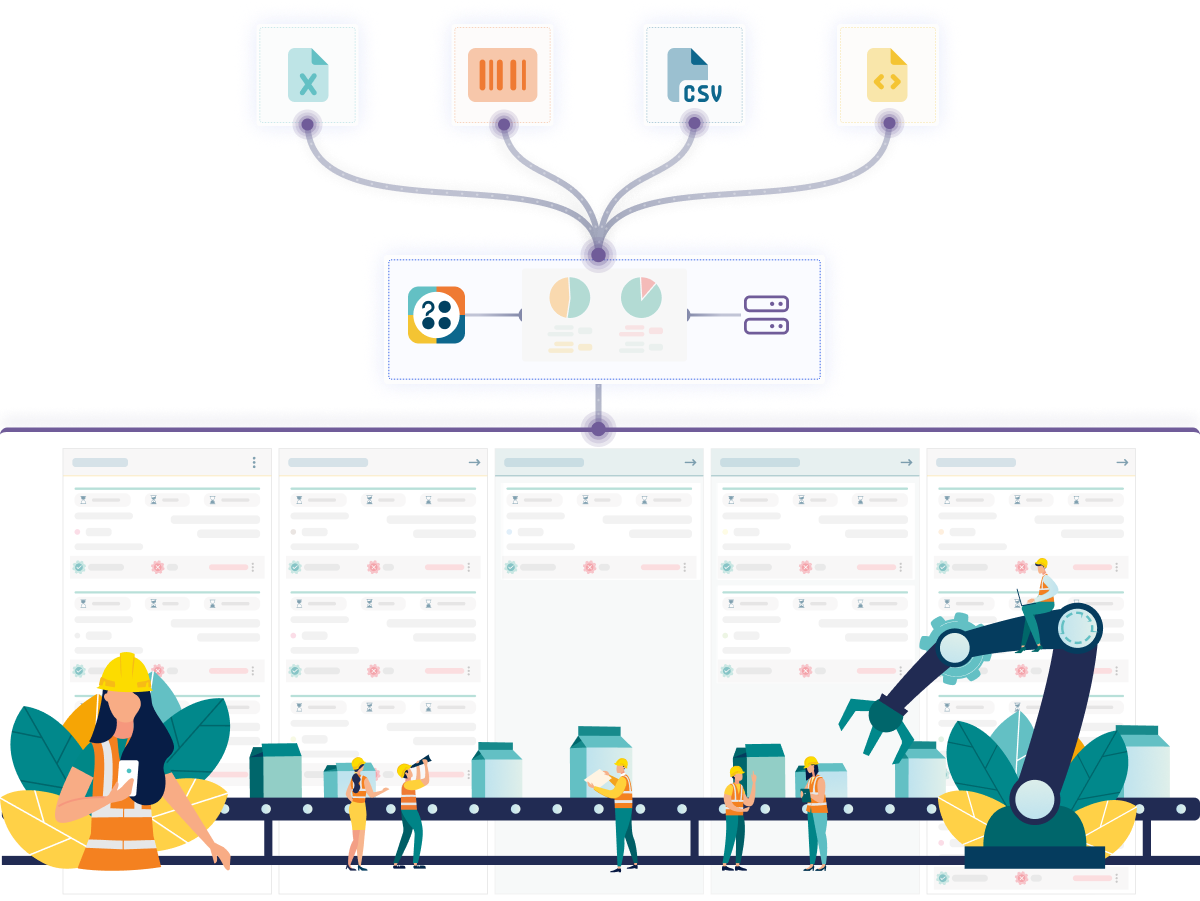
As a result, digital manufacturing has had a significant impact on the packaging and logistics industry. With modern Manufacturing Execution System (MES) solutions, companies can now monitor and control their operations in real time, ensuring that their machines are utilized efficiently. These solutions also provide real-time data and analytics that allow companies to make informed decisions about optimizing their operations as well as maximizing output.
The impact of digital manufacturing has been felt throughout the supply chain: improved communication between departments, reduced waste from overproduction, and increased productivity by utilizing equipment more effectively, all thanks to this new technology.
Digital manufacturing enables companies to enhance product customization and flexibility, catering to the evolving demands of consumers and markets. Advanced technologies such as 3D printing and smart packaging solutions allow for greater customization and personalization of products, while also enabling faster production cycles and shorter lead times. This agility and responsiveness to customer needs position companies for success in today's dynamic business environment, where speed, flexibility, and innovation are paramount.
Improved productivity
A digital manufacturing platform helps improve the efficiency of your production process. This can be achieved by automating repetitive tasks, eliminating manual inspection, and reducing downtime caused by machine failure or human error.
For example, if you were to send an order through a traditionally paper-based process (like receiving an order form from a customer), it would likely get lost somewhere in between your warehouse and shipping department until someone happens upon it months later while cleaning out their desk drawer and then they might forget what they were doing with it anyway! With automated systems like ERP software installed at every stage along this path (such as receiving orders or shipping packages), all parties involved will know exactly where things stand at any given time and if anything needs attention before going forward with production or shipping operations.
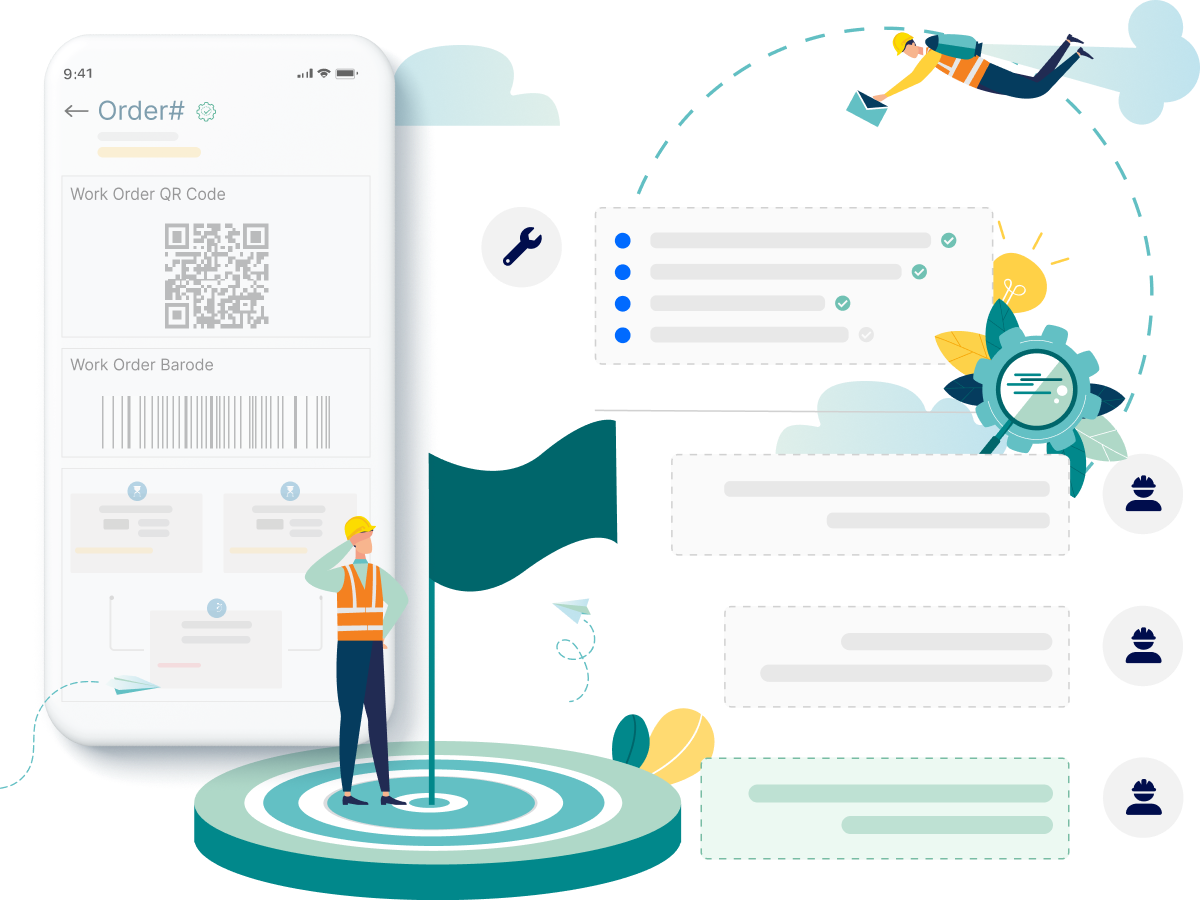
With a digital manufacturing platform in place, you can easily track the progress of your order and make sure that everything is done correctly. This can be especially helpful when you have multiple departments working on different parts of the same order. By using a single system to manage orders and production, you’ll have better control over your inventory and costs as well as improved customer service.
Achieve goal with more efficiency
Increased communication
With digital manufacturing, there is increased communication between the different departments. This is because they all need to work together to ensure that a product is produced correctly and on time. For example, if you are working in packaging and logistics operations at a company that manufactures its own products, then you will be required to communicate with your colleagues in other departments such as machine operators or marketing executives who will then relay information back up the chain of command so that everyone knows what's happening with production.
The increased level of communication also applies when it comes down to communicating directly with the equipment itself: if something goes wrong or needs fixing during production, then this can only be done through the interaction between human operators working alongside automated machines (e.g., robots).
Reduction in waste
Reducing waste is a common goal for many companies. Waste can occur at all stages of the manufacturing process, but it's most often associated with inefficient processes or unnecessary steps.
Digital manufacturing can reduce waste by improving efficiency and eliminating ineffective or unnecessary tasks, which means that your company will be able to produce more products in less time while using fewer resources (like energy).
Digital manufacturing driving growth in packaging and logistics
Digital manufacturing is a driving force behind the growth and innovation observed in the packaging and logistics industry. By leveraging advanced technologies and data-driven solutions, companies in this sector are experiencing significant improvements in efficiency, productivity, and overall performance.
One key aspect of digital manufacturing's impact on packaging and logistics is the automation of various processes. Automation systems, including robotics and intelligent machinery, are revolutionizing production lines and warehouses, enabling faster and more accurate handling of goods. Automated packaging solutions, for instance, can efficiently package products while minimizing errors and reducing labor costs, leading to increased throughput and operational efficiency.
It enables enhanced connectivity and communication across the supply chain through the use of Internet of Things (IoT) devices and smart sensors. These technologies provide real-time data on inventory levels, equipment performance, and transportation conditions, empowering companies to make data-driven decisions and optimize their operations. By gaining actionable insights into various aspects of their supply chain, organizations can identify inefficiencies, streamline processes, and improve overall resource utilization.
Digital manufacturing facilitates the adoption of innovative practices such as predictive maintenance and demand forecasting. Predictive maintenance algorithms use machine learning and AI to anticipate equipment failures before they occur, minimizing downtime and ensuring continuous operation. Similarly, advanced analytics tools enable companies to forecast demand more accurately, optimize inventory levels, and plan logistics routes more effectively, ultimately enhancing customer satisfaction and reducing costs.
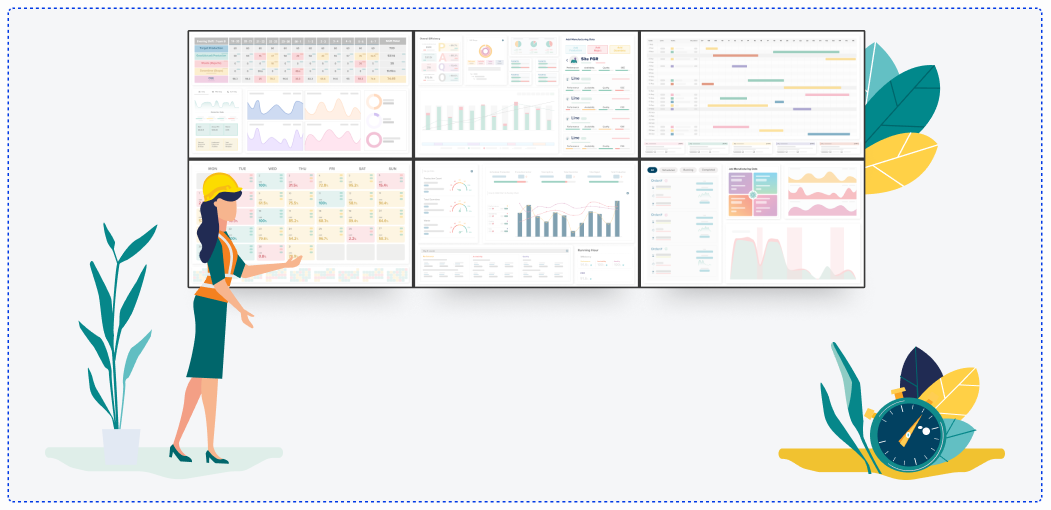
Digital Manufacturing Production Boards
Conclusion
The rise of automation has changed the way we think about manufacturing. It has made it possible for companies to produce more products in less time and with fewer resources. The advancements in technology have also improved communication between different departments within companies, leading to better collaboration between them as well as between customers and suppliers. With these benefits in mind, it's clear why digital manufacturing will continue to be an important factor in the future of packaging and logistics operations worldwide.